

ERP - GPedidos
Data entry optimization

- Area
- UX/UI
- Year
- 2026
- Role
- Product design
- Tools
- Whimsical
- Duration
- 1 month
The challenge
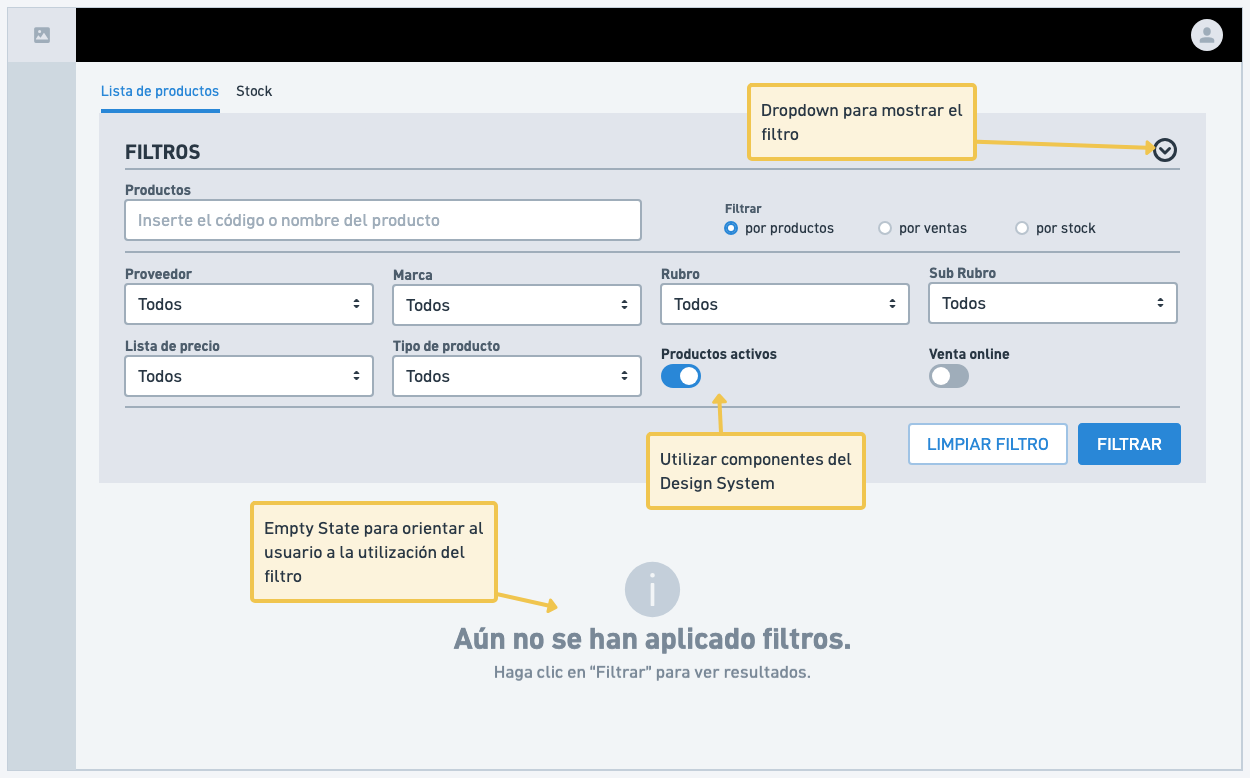
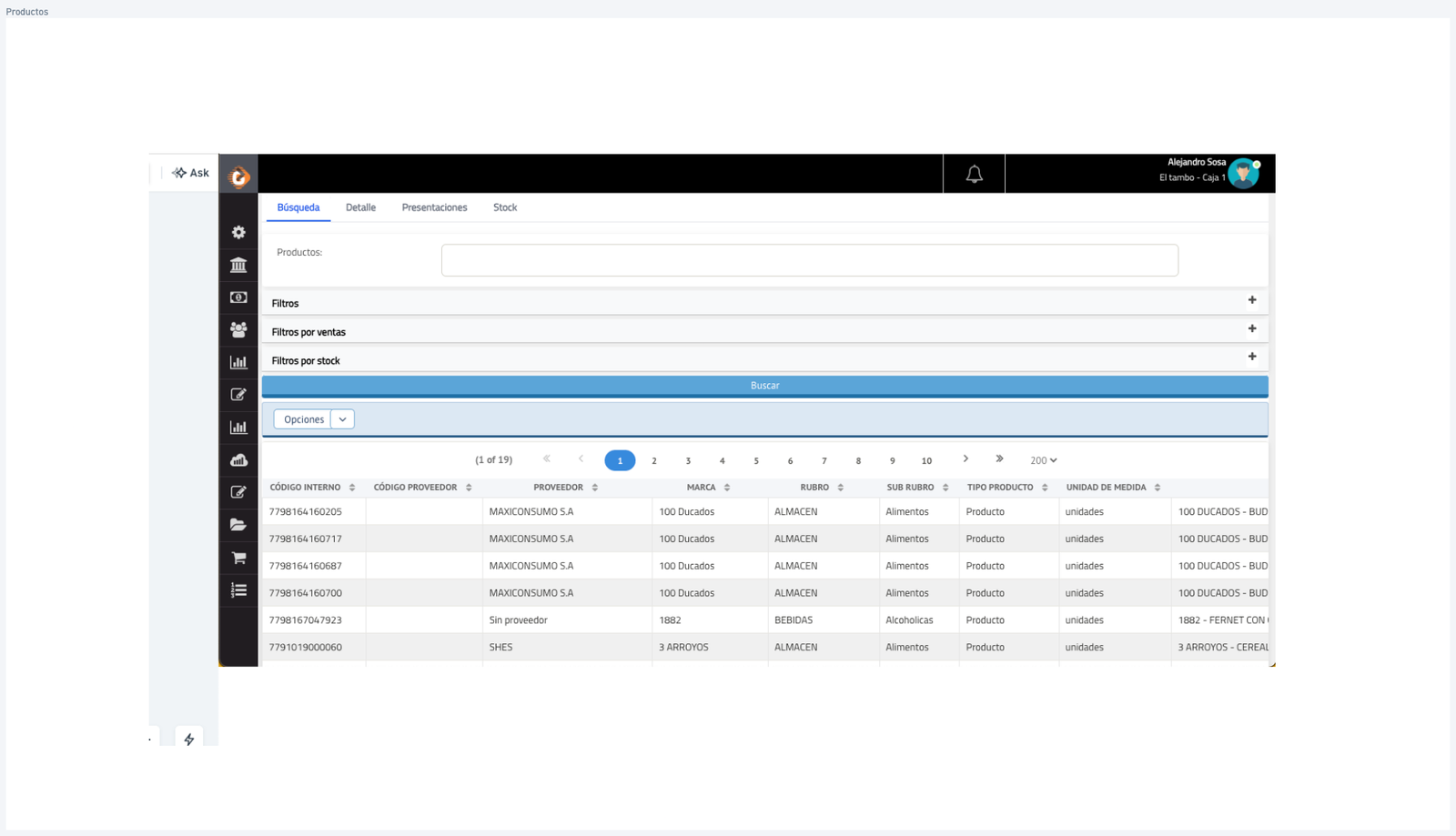
How can a slow, frustrating product-loading process (data entry) become an agile, intuitive tool? The existing system had severe bottlenecks: long response times in technical performance, an excess of clicks to register a single product and an incomprehensible filtering system that pushed the learning curve to critical levels.
This combination of poor usability and operational friction directly affected the team's productivity, causing fatigue in everyday data loading and increasing the margin for human error when entering data.
The process
1. Research and findings: I accompanied the data entry team through their workday to map the loading flow. I confirmed that the high complexity of the filtering and the poor hierarchy of the fields forced unnecessary detours, multiplying clicks and doubling the operating time per product.
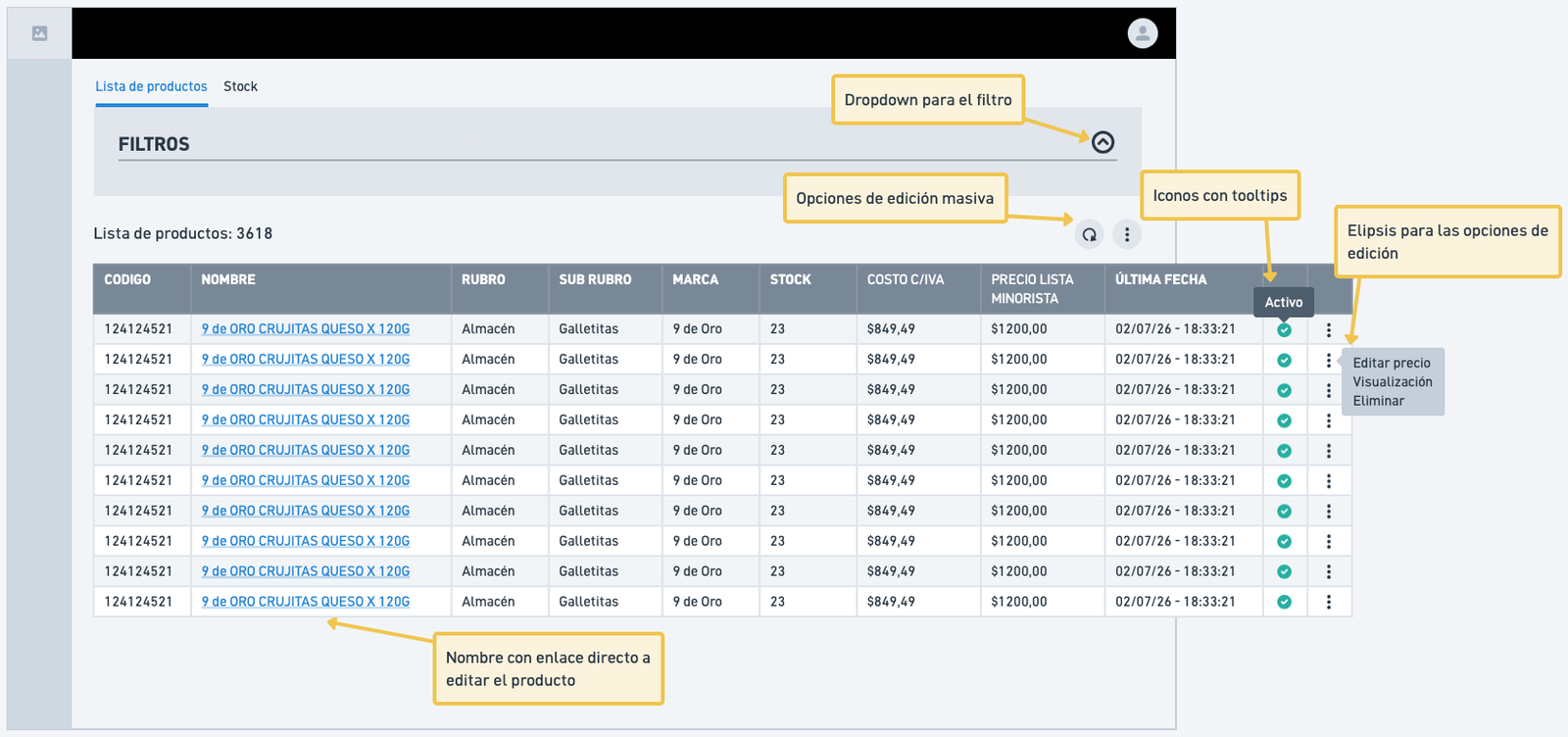
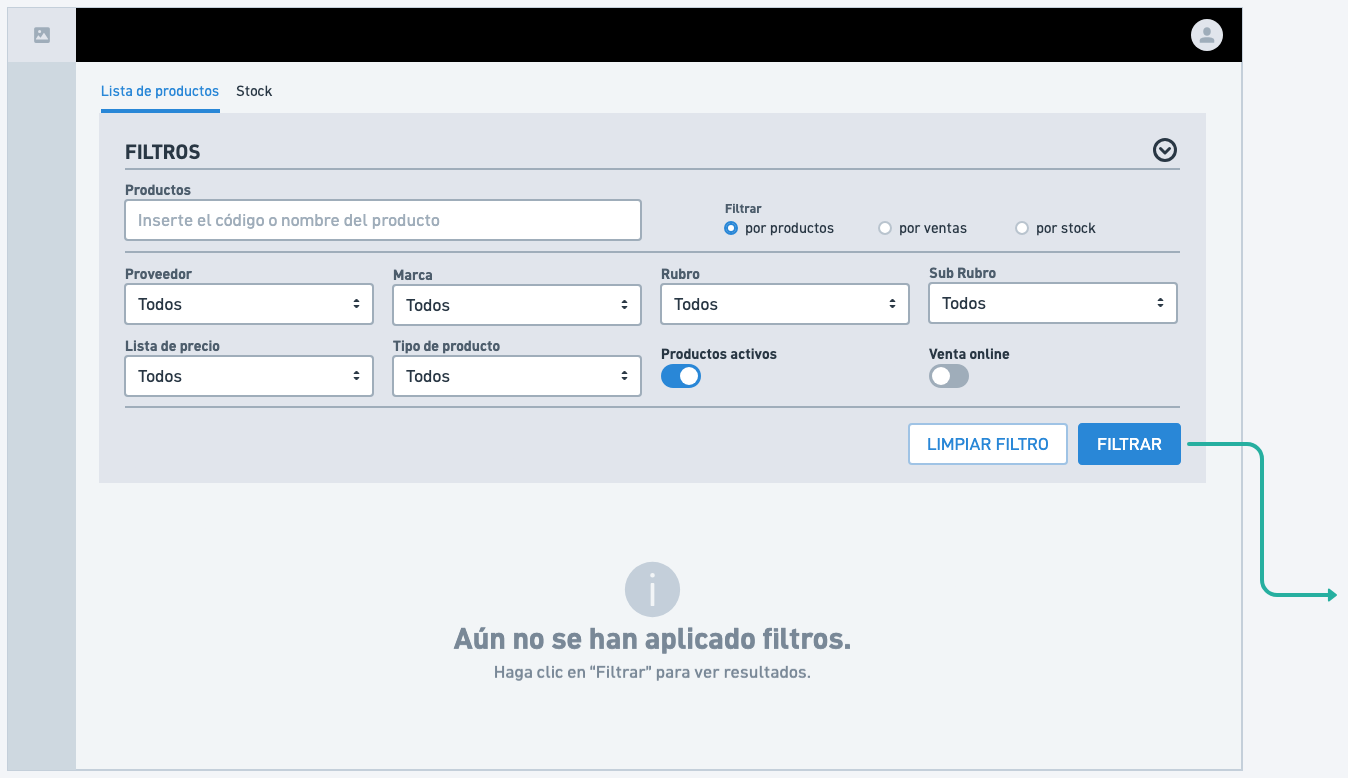
2. Ideation and flow redesign: I streamlined the form architecture by grouping fields into logical blocks and removing redundant steps. I redesigned the filter system from scratch using clear, predictable patterns, and introduced bulk (batch) loading together with keyboard shortcuts to speed up interaction.
3. Usability testing: I tested the interactive prototypes with the operations team to validate how intuitive the interface was. The sessions helped polish the microcopy and the real-time validation states before development, ensuring users were never in doubt about which data to enter or whether saving had succeeded.
The result
1. Metrics and impact: We drastically reduced the clicks needed to create a product and sped up loading time by 50%. Simplifying the form and the filters removed the bottlenecks that slowed down daily work.
2. Feedback and adoption: The data entry team adopted the new interface right away. The learning curve dropped sharply, allowing new team members to start using the system in minutes without extensive training.
3. Launch and implementation: An optimized version was launched in production with a scalable component system that made development work easier and laid the foundation for adding future product attributes without breaking usability.